
#474 – A Life in Frames, Joe Walker
Threads of truth woven,
Memory and craft entwined—
Beauty finds its form.
That's my haiku review of A Life in Frames – Joe Walker.
Meticulously crafted. Beautifully edited. It's a perfect documentary for editors about one of the best editors working today, packed with personal anecdotes and editorial insights.
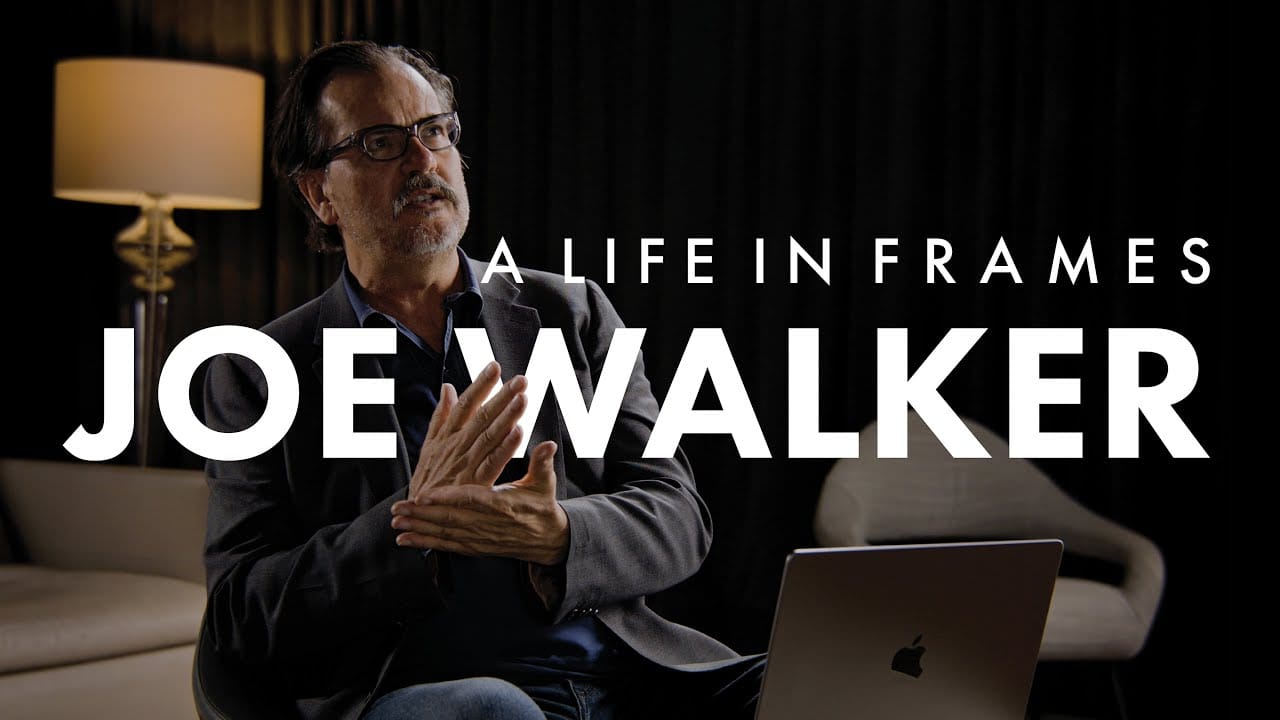
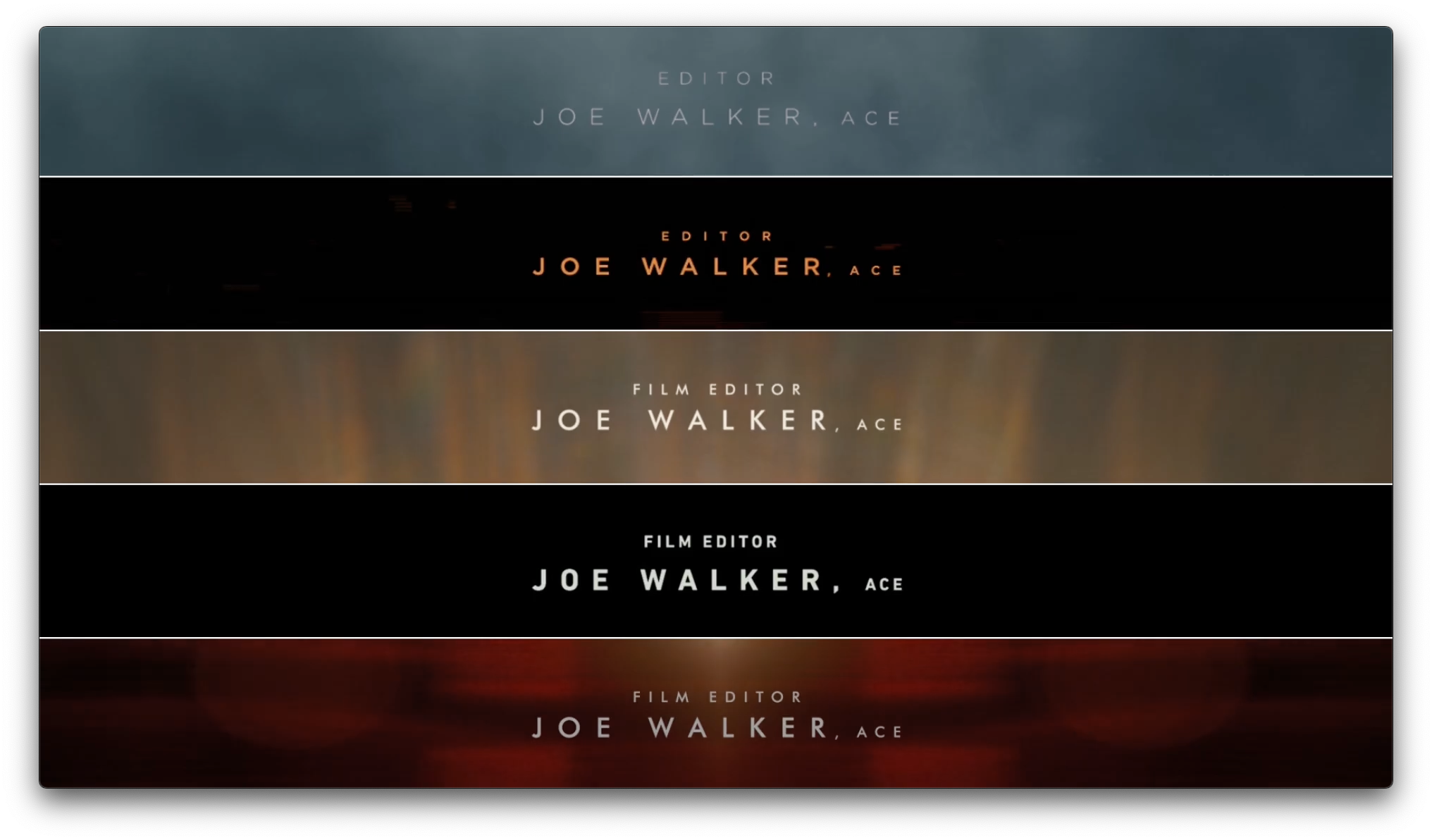
If you don't know who Joe Walker is, there's no shame in that*, but you will know his work:
- 12 Years a Slave
- Sicario
- Arrival
- Blade Runner 2049
- Widows
- Dune: Part One
- The Creator
- Dune: Part Two
You can also learn more about him through his excellent #420 – Cut/daily Meets... Joe Walker interview.
But really, you should just watch A Life In Frames and then come back to see what my favourite moments were and read the fascinating interview with the team behind the project.
I think the most important thing is to find out the horizontal aspects of this story and then you'll find the vertical.
If you only obsess on the cut, then you're going to get lost.
It's the content, it's the story, it's the kind of thing that engages you, what's in front of you, not where the cut is.
Ignore the cut and that will come to you.
— Joe Walker, ACE
*Shame on you!
Unpacking A Life in Frames – Joe Walker
Just because they shot it, doesn't mean you have to use it.
— Joe Walker, ACE
The film traces Joe's early life and career, revealing some of the key life lessons and editing insights he has learned along the way.
One of the things I appreciated most was Joe's embrace of the fact that he's been learning new things throughout his career, such as when an edit in Arrival that ‘should not work’ was the perfect solution to a thorny storytelling problem.
There are chapters on rhythm, structure, music, early influences, and a whole lot more.
It's really great, just go watch it.
You don't want to have an endless flat pace.
You want to vary the pace in order to be able to enjoy the tension of things that are sometimes held longer.
Holding a shot longer is sometimes like staying silent in a conversation, which can be painful. It can be a little bit tense.
Really tugging at that with an audience can create a thirst for a cut and where you deliver that cut can be interesting.
It creates a rhythm, it creates a tension.
— Joe Walker, ACE